

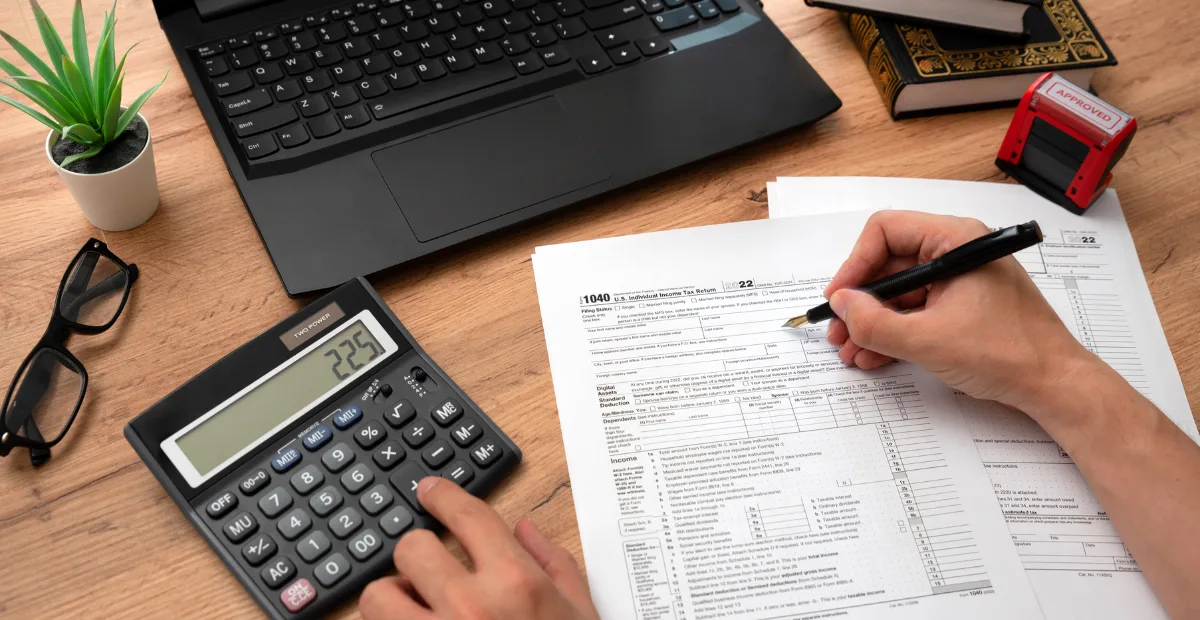

Stay on top of your finances as a sole trader! Filing your self-assessment tax return doesn’t have to be stressful—let us guide you through the process.
For sole traders in the UK, filing a self-assessment tax return is an essential part of running your business. Whether you’re a freelancer, contractor, or small business owner, understanding how to complete your tax return accurately and on time is crucial to staying compliant with HMRC and avoiding penalties. Here’s everything you need to know about self-assessment tax returns for sole traders.
What is a Self-Assessment Tax Return?
A self-assessment tax return is a form you submit to HMRC to report your income, expenses, and other financial details for the tax year (6 April to 5 April the following year). As a sole trader, you’re responsible for calculating your own tax and National Insurance contributions based on your profits.
Who Needs to File a Self-Assessment Tax Return?
If you’re a sole trader earning more than £1,000 in a tax year, you must register for self-assessment and file a tax return. This applies even if you have another job or are already paying tax through PAYE. You’ll also need to file a return if you need to pay Class 2 National Insurance contributions or claim tax reliefs.
Key Deadlines to Remember
- 5 October: Register for self-assessment if you’re a new sole trader.
- 31 October: Deadline for paper tax returns.
- 31 January: Deadline for online tax returns and payment of any tax owed (including your first payment on account for the next tax year).
- 31 July: Second payment on account deadline (if applicable).
Missing these deadlines can result in penalties, so it’s important to stay organised.
What You’ll Need to Complete Your Tax Return
To file your self-assessment tax return, you’ll need the following information:
- Income: Details of all your business income, including sales, invoices, and any other earnings.
- Expenses: Records of allowable business expenses, such as travel, equipment, office costs, and marketing.
- Bank Statements: To cross-reference your income and expenses.
- Unique Taxpayer Reference (UTR): Your 10-digit UTR number, which you’ll receive when you register for self-assessment.
- National Insurance Number: Required for identification purposes.
- P60 or P45: If you have other employment income.
- Records of Other Income: Such as rental income, dividends, or interest earned.
Allowable Expenses for Sole Traders
One of the key benefits of being a sole trader is the ability to claim allowable expenses, which reduce your taxable profit. Common expenses include:
- Vehicle costs (fuel, maintenance, insurance)
- Travel expenses (excluding commuting)
- Office supplies and equipment
- Phone and internet costs (business use only)
- Professional fees (accountancy, legal, or software subscriptions)
-
Marketing and advertising costs
-
Insurance premiums (business-related)
Always keep receipts and records to support your claims in case HMRC requests evidence.
How to Calculate Your Tax Bill
Your tax bill is based on your profits (income minus allowable expenses). Here’s a breakdown of the tax rates for the 2023/24 tax year:
- Personal Allowance: Up to £12,570 – tax-free.
- Basic Rate: £12,571 to £50,270 – 20% income tax.
- Higher Rate: £50,271 to £125,140 – 40% income tax.
- Additional Rate: Over £125,140 – 45% income tax.
You’ll also need to pay Class 2 National Insurance (£3.45 per week if profits exceed £12,570) and Class 4 National Insurance (9% on profits between £12,571 and £50,270, and 2% on profits above £50,270).
Payments on Account
If your tax bill is over £1,000, HMRC will usually require you to make payments on account. These are advance payments towards your next tax bill, split into two instalments:
- 31 January: 50% of your estimated tax bill.
- 31 July: The remaining 50%.
Tips for Filing Your Self-Assessment Tax Return
- Stay Organised: Keep track of your income and expenses throughout the year using accounting software or spreadsheets.
- Register Early: If you’re new to self-assessment, register with HMRC as soon as possible to avoid delays.
- Use HMRC’s Online Portal: Filing online is quicker, easier, and gives you more time to submit your return.
- Seek Professional Help: If you’re unsure about any aspect of your tax return, consider hiring an accountant to ensure accuracy and compliance.
Why Hire an Accountant for Your Self-Assessment?
While it’s possible to complete your self-assessment tax return on your own, hiring an accountant can save you time, reduce stress, and ensure you’re claiming all allowable expenses. They can also help with tax planning, ensuring you’re not overpaying and are prepared for future tax bills.
Conclusion
Filing a self-assessment tax return as a sole trader doesn’t have to be daunting. By staying organised, understanding your obligations, and seeking professional advice when needed, you can navigate the process with confidence. Remember, staying compliant with HMRC not only avoids penalties but also helps you make the most of your hard-earned income.


0 Comments